

Last updated: October 27, 2026
Sinking funds explained simply: they are mini savings accounts for expenses you know are coming but have not happened yet. Your car will need repairs. The holidays will arrive. Your annual insurance premium will be due. None of these are surprises — yet every year, millions of people treat them like emergencies, reaching for credit cards when the bill lands. A sinking fund flips the script: you save a small, painless amount each month toward each known future expense, so when the bill arrives, the money is already waiting.
Sinking Funds vs. Emergency Funds: Know the Difference
People confuse these constantly, so let us settle it. An emergency fund is for true surprises you cannot predict: a job loss, a medical emergency, a burst pipe. A sinking fund is for expenses you can predict but have not paid yet: car maintenance, holiday gifts, annual subscriptions, a new phone every few years.
You need both, and they serve different masters. Raiding your emergency fund for Christmas gifts — a completely predictable event — is how emergency funds die. Sinking funds protect your emergency fund by absorbing everything foreseeable, leaving it intact for genuine crises.
How Sinking Funds Work: The Simple Math
The formula could not be easier: total expected cost ÷ months until you need it = monthly savings amount.
- Car maintenance: $900 a year ÷ 12 = $75 a month
- Holiday gifts and travel: $1,200 ÷ 12 = $100 a month
- Annual car insurance: $1,400 ÷ 12 = $117 a month
- New laptop every 4 years ($1,600): $1,600 ÷ 48 = $33 a month
- Pet vet fund: $600 a year ÷ 12 = $50 a month
None of these amounts hurt on their own. Together — about $375 a month in this example — they replace the panicked $2,000 credit card charges that used to appear out of nowhere. You are not spending more; you are spending earlier, in installments you control.
Setting Up Your First Sinking Funds in 5 Steps
1. List your irregular expenses
Brainstorm every non-monthly expense from the past year: car repairs and registration, insurance premiums, holidays, birthdays, vacations, annual subscriptions, home maintenance, medical copays, back-to-school costs, pet care. Check last year's bank statements to catch the ones you forgot — those forgotten ones are exactly why you are doing this.
2. Estimate each annual cost
Use last year's actual spending as your baseline, then round up slightly — costs rise, and estimates are always optimistic. If you spent $800 on car maintenance last year, budget $900. A small cushion beats a shortfall.
3. Divide by 12 and automate
Calculate the monthly amount for each fund and set up automatic transfers on payday. Automation is non-negotiable: a sinking fund you fund "when you remember" is a sinking fund that does not exist.
4. Keep the money visible but separate
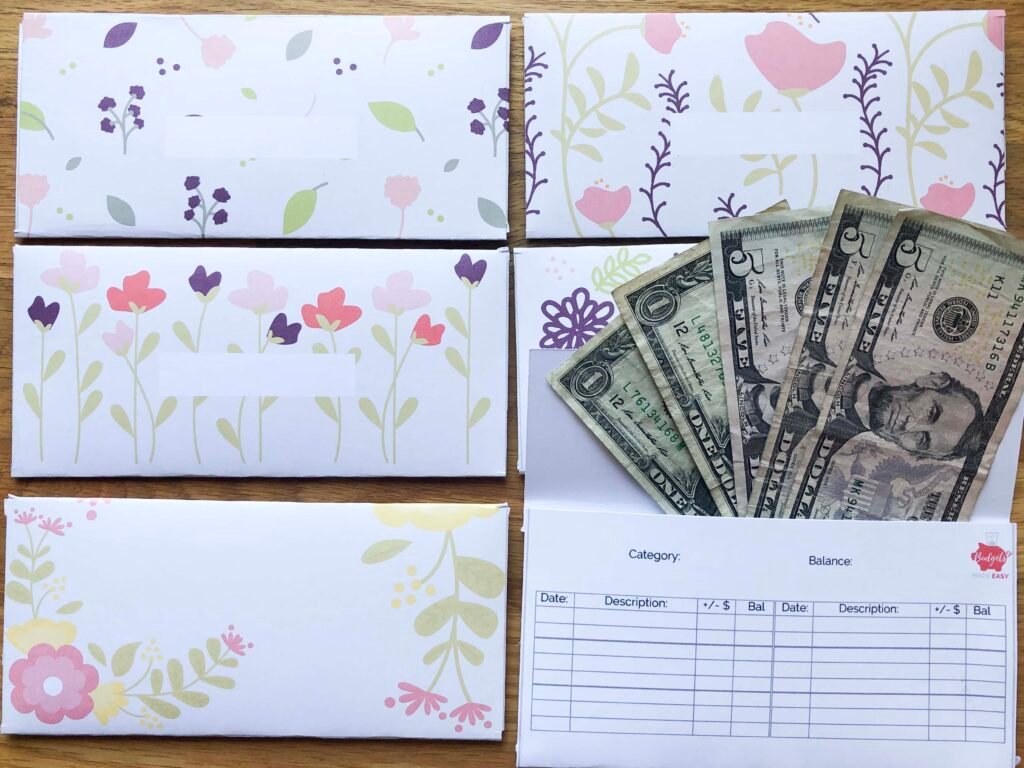
You do not need ten bank accounts. Options that work: a separate high-yield savings account with nicknamed sub-accounts or "buckets" (many online banks offer these free), a simple spreadsheet tracking balances in one account, or labeled envelopes for cash users. The key is that the money is earmarked — when you check your main balance, sinking fund money should feel already spent.
5. Spend from the fund guilt-free
This is the part people get wrong. When the car needs $600 in brake work and your car fund holds $750, you pay from the fund and feel good about it. That is the entire point. No guilt, no budget crisis, no credit card. Then the monthly contributions keep rebuilding it for next time.
A Real Example: The $2,400 December That Used to Hurt
Take holiday season: gifts ($800), travel to family ($700), higher food and entertaining costs ($400), and annual subscriptions renewing in December ($500). Total: $2,400 — landing in the single most expensive month of the year.
Without sinking funds, December means credit card debt that takes until April to clear, plus interest. With sinking funds, you saved $200 a month from January through November ($2,200) plus a $200 buffer built into the estimates. December arrives, you spend from the funds, January starts clean. Same money, wildly different stress levels.
5 Sinking Fund Mistakes to Avoid
- Funding too many at once. Start with three to five funds for your biggest irregular expenses. You can add more once the habit sticks — ten funds on day one is overwhelming.
- Underestimating costs. Always round up your estimates. A fund that covers 90% of a bill still leaves you scrambling.
- Borrowing from one fund for another. "I'll borrow from the vacation fund for car repairs and pay it back" is how all funds collapse. Treat each fund as locked.
- Keeping it all in your checking account. Money that looks available gets spent. Separation — even just a spreadsheet with firm labels — is what makes the system work.
- Skipping months when money is tight. Contribute something, even $10. The habit matters more than the amount, and paused funds quietly die.
Conclusion
Sinking funds explained in one sentence: save monthly for the expenses you know are coming, so they stop feeling like emergencies. List your irregular costs, divide by twelve, automate the transfers, and spend from the funds without guilt when the bills arrive. It is one of the least glamorous money habits — and one of the most life-changing.
This article is for general information only and is not financial advice. Consider consulting a qualified financial professional for guidance tailored to your situation.
Sources:
This article is for informational purposes only and is not financial advice. Please consult a qualified financial advisor for personalized guidance.
FAQ
Q: Where should I keep sinking fund money?
A high-yield savings account is ideal: it earns a little interest and stays separate from daily spending. Our comparison of index funds vs. savings accounts explains when each one makes sense. Many online banks let you create free labeled sub-accounts. Avoid investing sinking fund money — you need it within the year, so market swings are an unnecessary risk.
Q: What is the difference between a sinking fund and just saving?
Specificity. General "savings" gets raided for whatever feels urgent. A sinking fund has a name, a target, and a deadline — "car repairs, $900, by December" — which makes it psychologically much harder to spend on something else.
Q: Can I use sinking funds if I live paycheck to paycheck?
Yes, but start tiny. Even $25 a month toward one fund — say, car maintenance — means $300 toward the next repair instead of $300 on a credit card. Start with the expense most likely to ambush you, and grow from there as your budget allows.