

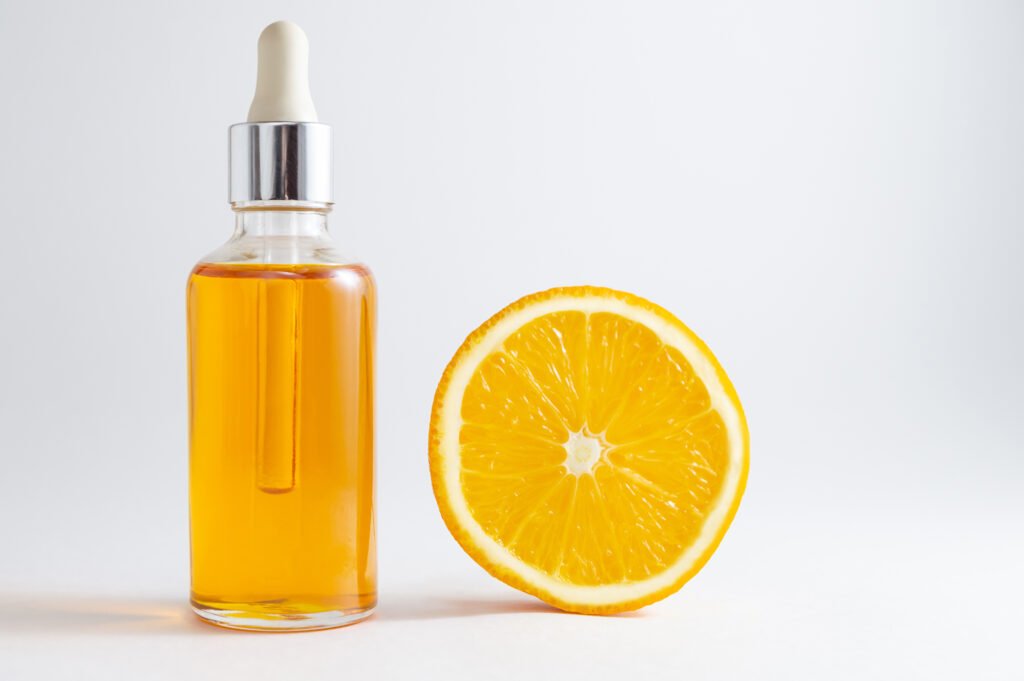
Last updated: October 27, 2026
Vitamin C serum is one of the few skincare ingredients with genuinely solid science behind it. It brightens dull skin, fades dark spots, boosts sunscreen's protection, and helps with collagen production. It's also one of the easiest products to buy wrong — the wrong formula, the wrong concentration, or the wrong routine around it, and you'll get irritation instead of glow.
I learned this the expensive way with a 20% serum that turned my face red for three days. Here's everything I wish someone had told me first.
This is general information, not professional dermatological advice. If you have a persistent skin condition, see a dermatologist.
What Vitamin C Actually Does for Skin
Let's separate the real benefits from the marketing:
- Brightens dull skin by inhibiting excess melanin production — the pigment behind dark spots and uneven tone
- Fades hyperpigmentation, including sun spots and post-acne marks (it takes weeks, not days)
- Boosts sun protection when layered under sunscreen — it doesn't replace SPF, but it makes your SPF work harder
- Supports collagen synthesis, which helps skin look firmer over time
- Neutralizes free radicals from pollution and UV exposure
What it won't do: erase deep wrinkles overnight or work in a week. It's a slow, steady ingredient — think months, not days.
The Forms of Vitamin C (This Matters More Than the Brand)
Not all vitamin C is the same. The ingredient list tells you more than the packaging:
L-Ascorbic Acid (The Gold Standard)
The most studied, most potent form. Also the most unstable and most irritating. Works best at concentrations of 10–20% and a low pH (below 3.5). If you're experienced with actives and want maximum results, this is it. If you're a beginner, it's also the form most likely to irritate you.
Sodium Ascorbyl Phosphate (SAP)
A gentler derivative. Less potent than L-ascorbic acid but far more stable and much kinder to sensitive skin. Good for beginners and acne-prone skin — some research suggests it even helps with breakouts.
Ascorbyl Glucoside & 3-O-Ethyl Ascorbic Acid
Middle-ground options. More stable than L-ascorbic acid, convert to active vitamin C in the skin, and cause less irritation. If a product lists one of these at a reasonable position in the ingredients, it's a solid pick for most people.
My recommendation: beginners should start with a derivative (SAP or ethylated L-ascorbic acid) at a moderate concentration. You can always level up later.
How to Choose the Right Serum
Check the Concentration
- Beginners: 5–10%
- Experienced users: 10–20%
- Above 20%: diminishing returns and sharply higher irritation risk. More is not better here.
Check the Packaging
Vitamin C degrades with light and air. A good serum comes in a dark, opaque bottle — ideally with a pump or dropper that limits air exposure. If it's in a clear jar, the vitamin C is probably dead before you finish it. This is one case where packaging genuinely matters.
Check the Color
Fresh L-ascorbic acid serums are clear or slightly champagne-colored. If yours has turned dark yellow, orange, or brown, it's oxidized — it's lost potency and can actually irritate. Time to replace it.
Check the Price Realistically
You don't need the most expensive option — excellent serums exist at every price point. What matters is the form, concentration, packaging, and that you'll actually use it.
How to Use It: The Routine
When to Apply
Morning is ideal — vitamin C's antioxidant protection pairs perfectly with daytime UV and pollution exposure. Apply after cleansing (and toner, if you use one), before moisturizer.
The Layering Order
- Cleanser
- Vitamin C serum (3–4 drops, thin layer over face and neck)
- Moisturizer
- Sunscreen (non-negotiable — see our guide to choosing the right sunscreen; vitamin C makes skin more sun-aware, not less)
Wait about a minute between serum and moisturizer so it absorbs properly.
What NOT to Mix It With
- Retinol/retinoids: use vitamin C in the morning, retinol at night. Using both at once is a recipe for irritation.
- Strong AHAs/BHAs: same session layering can overwhelm your barrier. Alternate days instead.
- Benzoyl peroxide: can oxidize vitamin C and cancel it out. Keep them in separate routines.
The Irritation Problem (And How to Avoid It)
Vitamin C irritation is common and almost always comes from going too strong, too fast. Avoid it:
- Start slow: every other morning for the first two weeks
- Start low: 5–10% concentration, or a gentle derivative. New to active ingredients? Get a beginner skincare routine stable for a month before adding vitamin C.
- Patch test on your jawline for 48 hours first
- Don't layer it with other strong actives in the same routine
- Moisturize well afterward — a good barrier makes everything gentler (dealing with dryness? Try these natural remedies for dry skin).
Mild tingling at first can be normal with L-ascorbic acid. Persistent burning or redness means the formula is too strong — step down, don't push through.
How Long Until You See Results?
Be patient. 6–12 weeks of consistent daily use is realistic for visible brightening and fading dark spots. Take a photo in consistent lighting when you start — gradual changes are hard to notice day to day, and the photo comparison at week eight is usually the moment people become believers.
One bottle typically lasts 2–3 months with daily use. If you're not seeing anything by month three, the formula may be too weak, oxidized, or just not right for your skin.
The Bottom Line
A good vitamin C serum is one of the highest-value products in skincare — real brightening, real dark-spot fading, real antioxidant protection. The trick is buying smart (right form, sane concentration, dark packaging) and starting gently. Give it two to three months of consistent mornings, always under sunscreen, and let the slow science do its work.
FAQ
Q: Should I use vitamin C in the morning or at night?
Morning is the standard recommendation because its antioxidant protection complements sunscreen during the day. Night use works too, but don't skip the morning slot if you can only pick one.
Q: Why did my vitamin C serum turn brown?
It oxidized — exposure to light, air, or heat broke it down. An oxidized serum has lost most of its potency and is more likely to irritate. Store serums in a cool, dark place and replace them when the color shifts dark.
Q: Can I use vitamin C if I have sensitive skin?
Yes, but choose carefully: a gentle derivative (like sodium ascorbyl phosphate) at a low concentration, patch test first, and introduce it slowly. If even gentle formulas irritate you, vitamin C might just not be your ingredient — and that's fine.